Blackjack Insurance Bets: Mitigating Risks or Falling for the House Trap?
The blackjack insurance bet is a controversial topic, with players debating its merits. This article objectively evaluates the insurance bet, exploring when it may be viable and when players should avoid falling into the house’s trap, for international blackjack enthusiasts.
Understanding the Blackjack Insurance Bet
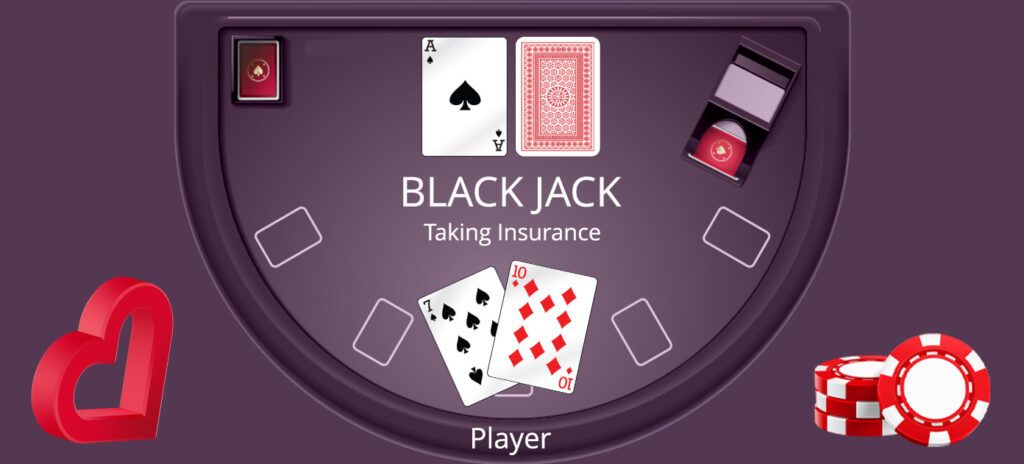
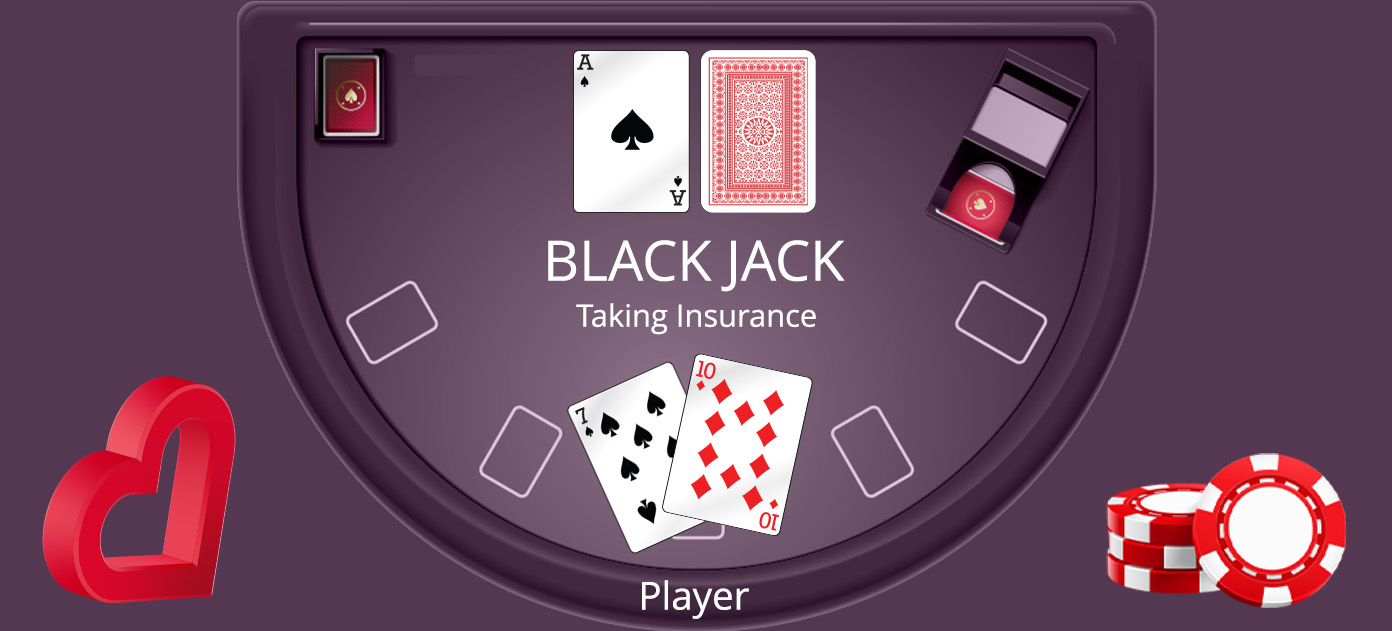
In the game of blackjack, the insurance bet is a side wager that players can make when the dealer’s upcard is an ace. This bet offers players the opportunity to hedge their initial wager in case the dealer has a blackjack (a two-card hand totaling 21). If the dealer does indeed have a blackjack, the insurance bet pays out at 2:1, potentially offsetting the loss on the original bet.
The Allure of the Insurance Bet
The insurance bet can be tempting, especially for players who have a strong hand and want to protect their investment. The prospect of a 2:1 payout on the insurance bet can be enticing, particularly when the dealer’s upcard is an ace, which is a strong indicator of a potential blackjack.
The House Edge on Insurance Bets
However, the house edge on insurance bets is quite high, typically around 7.7% in most casino blackjack variants. This means that in the long run, the casino has a significant advantage over the player when it comes to insurance bets. The reason for this high house edge is that the probability of the dealer having a blackjack when the upcard is an ace is only about 30%.
Evaluating the Insurance Bet’s Viability
Whether or not to take the insurance bet is a complex decision that requires careful consideration of the player’s hand, the dealer’s upcard, and the overall game situation. In some cases, the insurance bet may be a viable option, but in most situations, it is generally advised to avoid it.
When the Insurance Bet May Be Worthwhile
There are a few specific scenarios where the insurance bet may be worth considering. For example, if the player has a strong hand, such as a hard 20 or a blackjack, and the dealer’s upcard is an ace, the insurance bet could potentially offset the loss on the original bet if the dealer does indeed have a blackjack. Additionally, in certain high-stakes or tournament situations, the insurance bet may be a strategic move to protect a player’s bankroll.
When to Avoid the Insurance Bet
In the majority of cases, however, the insurance bet should be avoided. If the player’s hand is weak, or if the dealer’s upcard is not an ace, the insurance bet is simply not worth the high house edge. Even if the dealer does have a blackjack, the payout on the insurance bet is often not enough to offset the loss on the original bet.
Blackjack Betting Strategies and the Insurance Bet
When it comes to blackjack betting strategies, the insurance bet can be a tricky element to navigate. Some popular strategies, such as card counting, may incorporate the insurance bet as a way to hedge against the risk of the dealer having a blackjack. However, for most recreational players, it is generally recommended to avoid the insurance bet and focus on optimizing their play on the main bet.
The Importance of Responsible Gambling
Regardless of one’s approach to the insurance bet, it is crucial for all blackjack players to practice responsible gambling. This includes setting and adhering to a budget, taking breaks, and seeking help if gambling becomes problematic. The thrill of the game should never come at the expense of one’s financial well-being or personal well-being.
